
 Polski
 Čeština
 Slovenčina
 Deutsch
 Italiano
 Español
A complete guide to selling on Amazon Handmade for artisans and makers
Amazon Handmade is an excellent platform for artisans looking to reach a massive global audience. It gives makers and crafters the opportunity to sell their unique, handcrafted items worldwide, tailoring their storefronts to different local markets like Amazon.pl or Amazon.de. As a premier destination for online craft sales, it connects you directly with customers who value originality and authent
 Aneta PiechotaE-commerce Sales Expert
For artisans looking to scale, understanding how Amazon Handmade works and meeting its strict criteria is essential. Unlike the standard marketplace, this dedicated space prioritises high-quality craftsmanship and individual brand identity. If your products are far from the run-of-the-mill items you see on every high street, you are already halfway there. Navigating the platform’s rules effectively is the key to standing out from the crowd. Ultimately, every maker wants their craft to take centre stage and be appreciated for its uniqueness, rather than being buried alongside mass-produced goods.
In this guide, I will break down what Amazon Handmade actually is, how to set up your shop, and how to get approved for the Handmade category. You will also discover how to build a professional artisan profile and seamlessly list your items. With these practical insights, you will be well-equipped to build a powerful brand presence and drive sales for your unique creations.
What is Amazon Handmade?
Amazon Handmade is a dedicated storefront within Amazon, specifically engineered for artisans and craftspeople to sell their unique, genuine creations. Every product sold here must be handcrafted, distinguishing them entirely from mass-produced items. Sellers on the platform can offer an extensive range of categories, including jewellery, apparel, furniture, home décor, stationery, toys, and pet accessories.
One of the core benefits of selling on this dedicated platform is direct access to Amazon’s massive global customer base, alongside robust backend management tools. These include options for customising listings, targeted marketing, advertising campaigns, secure payments, and world-class logistics. The initiative specifically aims to champion small and family-run businesses, giving them a global stage. To protect the platform’s integrity, Amazon strictly vets applicants to ensure all items genuinely meet their handcrafted standards.
Setting up your Amazon Handmade shop
Setting up your shop starts with creating a standard Amazon seller account if you do not already have one. To do this, head over to Amazon Seller Central and register as a merchant. During the onboarding registration, you will need to provide essential business documentation, including your official business name, email address, phone number, contact details, and banking information to handle payouts. You will also need to select whether you are registering as a corporate entity or an individual seller.
Depending on your choice, you will initially opt for either the Professional Selling Plan (which carries a monthly subscription fee) or the Individual Selling Plan (which has no monthly fee but limits functionality). Once your account is activated and you gain access to the seller dashboard, you are ready to apply for the Amazon Handmade programme. Keep in mind that access to Handmade is restricted and requires explicit approval, as it is strictly reserved for verified makers.
Top tip for makers: Once your application is vetted and approved for Amazon Handmade, the Professional Selling Plan’s monthly fee is waived. This means you gain access to all advanced professional selling tools without the ongoing subscription costs.
In practice, some sellers are occasionally billed the monthly fee in error during the transition. If this happens to you, simply contact Amazon Seller Support to clear things up and request a refund. Once approved, always double-check that your account is correctly assigned to the Handmade programme so that the waiver kicks in automatically.
Unlocking approval for the Amazon Handmade category
The application process begins by visiting the official registration page – such as sell.amazon.co.uk/programmes/handmade for the UK market, or the corresponding URL for your specific target country – and clicking “Apply now”. Below, we walk through the step-by-step process required to get your storefront approved.
First, select the primary country where you intend to sell your products:
Unlocking approval for the Handmade category on Amazon
Next, fill out the application form, providing detailed information about your business structure and legal setup:
Filling out the application form
The application also requires specific details regarding your production process and the team involved in making the goods:
Detailed production information
The next step involves detailing your products and how they are made. Here, you need to thoroughly describe your production techniques. It is vital to specify whether you rely on traditional crafting methods, modern technology, or a mix of both. Mention the raw materials you use and their origins – this goes a long way in building brand credibility:
Detailed product information
You must also upload step-by-step photos documenting your production process. Make sure these images are clear and show the actual crafting stages. Crucially, each photo should include a business identifier, such as your business card, to verify the authenticity of your work:
Adding production photos
Next, choose the relevant category that best fits your products:
Category selection
Finally, provide links to your social media accounts and other online stores that showcase your brand. Amazon Handmade allows you to link your Instagram, Facebook, Pinterest, or standalone website to validate your presence:
Social media account details
Once completed, hit “Submit application”. Amazon will review your details, and you will receive their decision via the email address provided.
Building your Amazon Handmade Artisan Profile
Your Artisan Profile is essentially your digital shop window, allowing you to showcase unique items and share the story behind your craft. It features several key elements that build trust and make your brand stand out:
- Profile picture: This is the first thing customers notice. A well-chosen image builds brand recognition – whether it is a professional headshot, your logo, or a visual that captures your brand’s aesthetic.
- Shop name: Choosing the right name is a major milestone in establishing your brand identity. It should be memorable, unique, and true to what you make.
- Craft category: Amazon Handmade lets you specify your niche, such as jewellery, clothing, furniture, or home décor. This ensures your items appear in the correct search results, making it easier for customers to find you.
- Story and creative process: Describe how your products come to life. This is your chance to share your passion, detailing the care and specific techniques you use. Highlight your raw materials and your commitment to quality and detail.
- Behind-the-scenes studio imagery: Give customers a sneak peek into your workspace and creative flow. Sharing photos of your studio, workshop, or work-in-progress pieces helps buyers understand the craftsmanship involved, forging a deeper connection with your brand.
A fully optimised Artisan Profile sets you apart from the competition, building the trust needed to convert casual browsers into loyal customers looking for authentic, handmade goods.
Listing products in the Handmade catalogue
Listing products under the Amazon Handmade programme follows a similar workflow to standard Amazon listings. However, to be classified as handmade, items must be listed under the specific Handmade category. Bulk uploads are also supported; once approved, you will gain access to dedicated inventory flat files to streamline the process.
A massive advantage of the Handmade section is that barcodes (EANs/UPCs) are not mandatory. Handmade listings follow the same search engine optimisation (SEO) algorithms as standard Amazon products. This means you can focus heavily on text optimisation, ensuring that your target keyword phrases are strategically placed in your titles, bullet points, and backend search terms to maximize search rankings.
Furthermore, you can seamlessly integrate FBA (Fulfilment by Amazon) into your operation. Leveraging FBA allows Amazon to handle your logistics, storage, and customer service, making your unique items eligible for Prime shipping – a proven way to boost conversions. Your products will also be visible on Amazon Business, allowing you to set B2B pricing tiers and tap into corporate buyers.
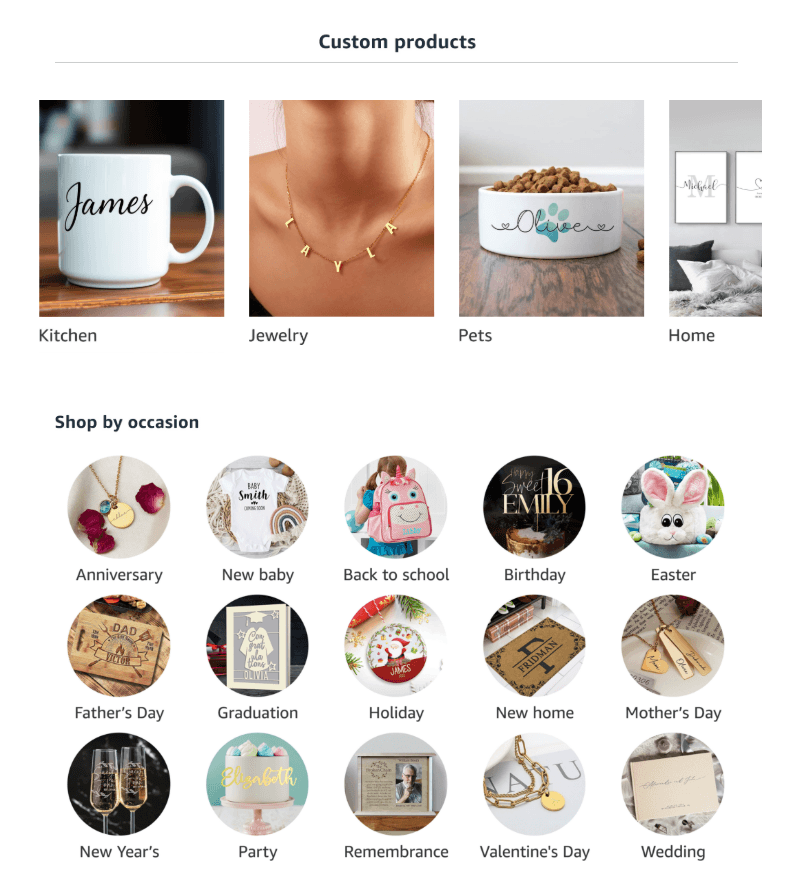
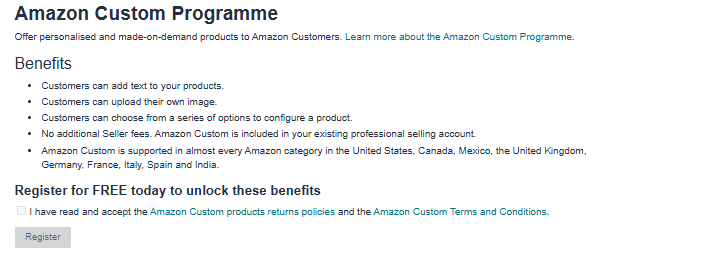
Finally, Handmade products can leverage the Amazon Custom programme, enabling you to offer personalised and bespoke options. If you already have existing standard Amazon listings, you can convert them into Handmade offers, making transitioning your current inventory straightforward.
Summary
Selling on Amazon Handmade offers a brilliant opportunity for artisans aiming to expand their reach across domestic and international markets. To fully capitalise on this potential, understanding the platform’s nuances and adhering strictly to its guidelines is paramount. Getting this right allows you to seamlessly manage listings, optimise product visibility, and cultivate excellent customer relationships – all critical ingredients for long-term marketplace success.
Mastering the rules gives you a competitive edge, allowing you to align your strategy with market expectations. Optimising your Artisan Profile and maintaining uncompromised product quality will ensure you cut through the noise. Ultimately, compelling product presentation, sharp descriptions, and high-quality photography will dramatically boost conversion rates. It is equally important to understand Amazon’s customer service, returns, and review policies, as they directly impact your seller metrics and reputation.
Ready to scale your sales on Amazon Handmade? Get in touch with us today. We will help you launch your shop, optimise your listings, and manage your account end-to-end, leaving you free to focus on what you do best: crafting exceptional products.
Did you find this article helpful?
This article has no ratings yet — be the first.
Autor
Aneta Piechota
E-commerce Sales Expert
I’m a marketing and e-commerce enthusiast with over four years of marketplace experience. I specialise in the Amazon ecosystem, particularly in high-performance advertising. During my career, I’ve also worked with Allegro, where I scaled sales for a private-label brand. I hold a degree in Logistics Engineering, and outside of the office, I practice yoga and have a keen interest in psychology, which helps me understand the “why” behind consumer behaviour.