
 Polski
 Čeština
 Slovenčina
 Deutsch
 Italiano
 Español
Understanding the Amazon EAN and GTIN requirements for your listings
Launching your brand on Amazon is one of the most effective ways to scale your business and reach millions of global shoppers. However, before you can list your first product, you need to navigate a few essential retail fundamentals. Mastering the global barcode system is one of the very first hurdles every successful marketplace seller must clear.
 Magdalena JuraszekNew Business Manager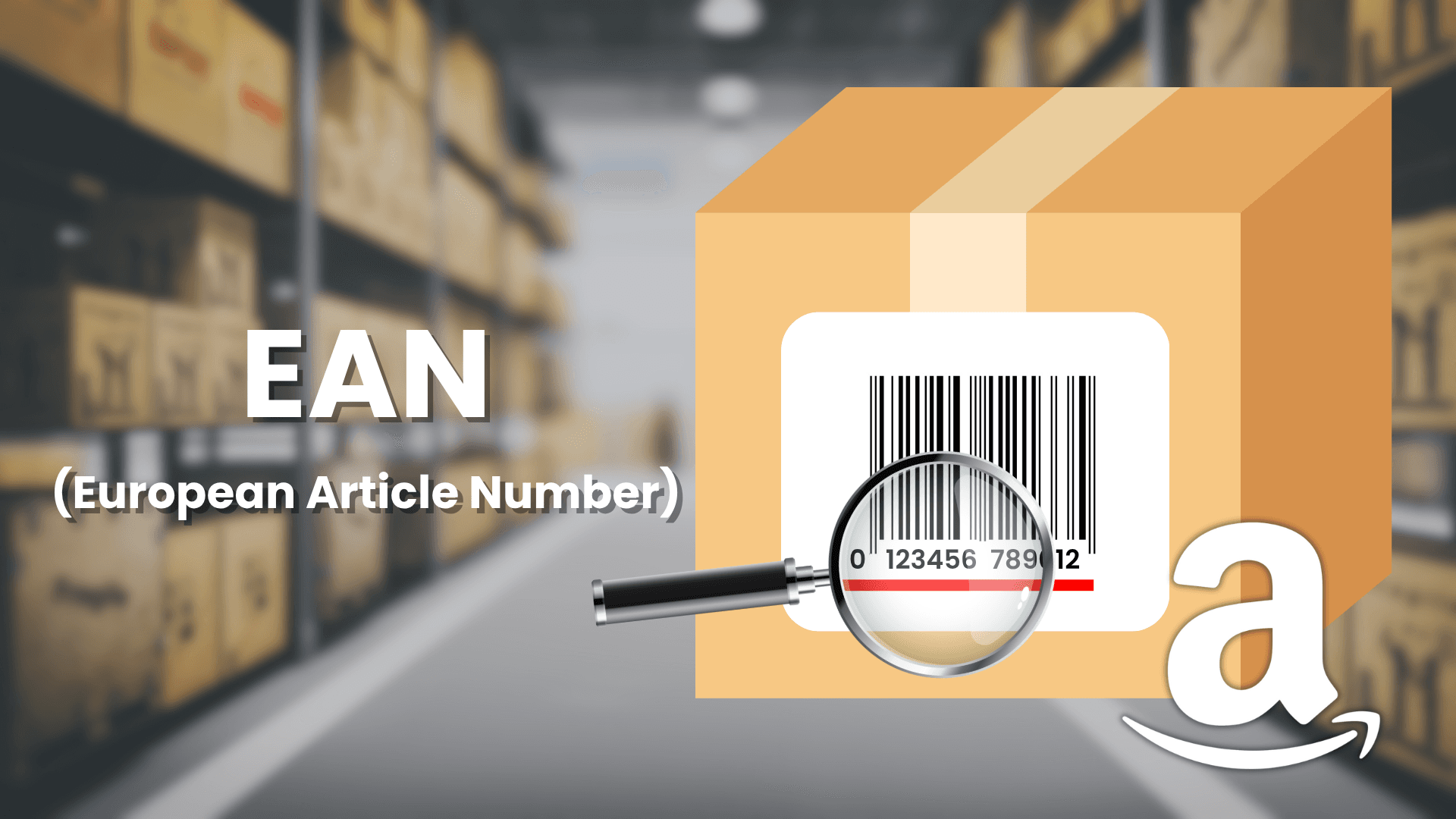
Terms like EAN and GTIN often sound like dry, overly technical jargon to newcomers, but they are absolutely critical to the day-to-day running of your e-commerce operations. Far from being just arbitrary numbers, these codes ensure the entire marketplace catalogue remains organised, transparent, and fair for you and your competitors alike. In this guide, we will break down exactly how these product identifiers work, why Amazon enforces them so strictly, and how to source them safely to protect your account.
What is the difference between an EAN and a GTIN?
To trade successfully on global marketplaces, it helps to understand how product identifiers are structured. People frequently confuse these two terms, but the relationship between them is straightforward.
GTIN (Global Trade Item Number)
This is the overarching, international umbrella term for data structures used to identify trade items worldwide. It covers several types of barcodes used across different regions and industries.
EAN (European Article Number)
This is simply a specific type of GTIN (officially known as a GTIN-13). It is the standard 13-digit barcode used across Europe for retail products.
In plain terms: Every EAN is a GTIN, but not every GTIN is an EAN. For instance, if you sell in North America, you will primarily use a UPC (Universal Product Code), which is just another variant under the GTIN umbrella.
Whether you are listing on Western European platforms like Amazon, eBay, Kaufland, and Bol, or CEE powerhouses like eMAG or Allegro, these codes allow marketplaces to rapidly identify products, automate warehouse operations, and streamline catalogue data.
Why do you need an EAN to sell on Amazon?
If you are a new seller setting up on Amazon, the platform requires almost every product to have a unique product identifier – which, for European markets, means an EAN. Without it, you simply cannot add your product to the marketplace catalogue unless you qualify for a specific exemption.
The EAN code helps the platform recognise exactly what you are selling and match it to an existing product detail page (ASIN) in its database. If the item is entirely new to Amazon, this unique identifier allows you to create a brand-new listing from scratch. Beyond compliance, using a valid EAN builds immediate trust with the platform, protects your listing’s data integrity, and ensures you are not accidentally creating duplicate pages.
Ultimately, these identifiers are vital for supply chain tracking. By using official codes, you align your business with international trade standards, setting a solid foundation for seamless cross-border growth.
What does an EAN code look like?
A standard EAN-13 code consists of a clear, structured sequence:
- A country prefix (e.g., 501–509 for the UK, 590 for Poland),
- The manufacturer or company number,
- The unique product item number,
- A final check digit calculated by the system to prevent scanning errors.
This sequence of numbers is represented visually as the traditional barcode found on retail packaging worldwide. Barcodes are essential for modern logistics, allowing fulfilment centres – including Amazon FBA warehouses – to scan, track, and dispatch stock seamlessly. For e-commerce brands managing extensive product lines, this offers invaluable clarity and operational control.
Where should you get your EAN codes?
The safest and only official route is to register directly with GS1. They are the global authority for trade numbers, meaning a code issued by them is the only way to guarantee your numbers are legitimate and verified against your corporate entity.
Once registered, your business will be allocated a dedicated prefix and a pool of codes. This ensures your product data is clean, compliant, and legally sound.
Expert Note: Steer well clear of cheap barcodes sold on unverified third-party websites or auction platforms. These recycled numbers are frequently blacklisted, already assigned to other products on Amazon, or entirely fraudulent – which can land your Amazon Seller Central account in serious hot water.
Do I always need an EAN?
If you own a registered trademark, sell handmade goods, or manufacture custom product bundles, you can apply for a GTIN Exemption. This is Amazon’s formal permission to list products without a commercial barcode. To apply via Amazon Seller Central, you will need to provide your product category, brand name, and clear, unedited photos of the item and its packaging. This offers great flexibility for growing brands that are not yet ready for full GS1 integration.
However, keep in mind that every single product variation – whether it is a different size, colour, or style (like different dimensions of a cabinet or different shades of a t-shirt) – requires its own distinct EAN or GTIN. This ensures every variant is tracked accurately and displays correctly to shoppers.
What happens if you use the wrong code?
Cutting corners or making mistakes with barcodes leads to suppressed listings, destroyed search visibility, and potentially a suspended seller account. Amazon links code accuracy directly to listing quality and Account Health. Every barcode must map perfectly to one specific item and remain entirely up to date. Routine audits of your inventory codes are your best defence against technical glitches.
Common pitfalls to avoid:
- Assigning the same EAN to completely different products.
- Using barcodes sourced from unverified third-party resellers.
- Mismatched data between your Amazon listings and the official GS1 database.
- Duplicating codes across multiple regional listings.
- Failing to update codes when a product undergoes a structural design change.
How proper barcodes boost your marketplace sales
Using correct, verified GTINs and barcodes unlocks powerful growth mechanisms across the e-commerce landscape:
- Maximises search visibility: Helps your listings surface correctly within Amazon’s search algorithm.
- Google Shopping integration: Allows your products to be indexed and advertised on external search engine result pages.
- Ad campaign eligibility: Essential for running Sponsored Products and advanced brand advertising.
- Winning the Buy Box: Valid identifiers are a core health check metric for Buy Box eligibility.
- Seamless international expansion: Simplifies cross-border trade across the UK, Western Europe, and CEE marketplaces.
- Customer trust: Builds credibility by aligning with global retail standards.
- Warehouse automation: Streamlines inventory management in your own facility or via Amazon FBA.
Ultimately, accurate codes directly influence your SEO ranking and overall account standing. Amazon actively rewards listings that feature clean, unique product identifiers, making it easier for customers to compare products accurately.
Best practices for beginner sellers
- Only source your EANs from GS1 – never buy cheap alternatives from online marketplaces.
- Assign a single, unique code to each individual product variation.
- Keep your GS1 database and Amazon Seller Central data perfectly synchronised.
- Track your code inventory and monitor where they are deployed.
- Use a GTIN Exemption only when genuinely necessary for your business model.
Additional tips:
- Ensure your product descriptions and listing metadata perfectly match the registered GS1 code details.
- Double-check that your GTINs comply fully with global retail standards.
- Regularly audit your listings to catch duplication or error codes early.
Remember: An EAN or GTIN is not just a regulatory hurdle; it is a vital asset for building a trusted, scalable e-commerce brand. Accurate identification and properly deployed barcodes form the bedrock of your business.
Summary
Securing and correctly applying your EANs and GTINs is foundational to a successful Amazon strategy. Without them, the vast majority of your items will fail validation, leaving your brand invisible to potential buyers.
Sourcing your codes legally through official channels eliminates the risk of compliance strikes and technical bugs. Meanwhile, options like GTIN exemptions ensure the platform remains flexible for unique makers and manufacturers. Getting your product identifiers right from day one is the smartest way to build a professional, resilient, and highly profitable marketplace business.
Need help navigating global marketplaces? Whether you want to conquer Western European platforms like Amazon, eBay, Kaufland, and Bol, or expand your footprint into the CEE region via eMAG and Allegro, Raise Your Sales is here to lead the way. Book a free consultation with our team today and let’s scale your brand together!
Did you find this article helpful?
This article has no ratings yet — be the first.
Autor
Magdalena Juraszek
New Business Manager
I’ve been an e-commerce and marketplace specialist since 2016, and I’ve always been fascinated by Amazon’s global potential. For me, the key to success lies in presentation – how a listing looks and how a brand is perceived. I go the extra mile to ensure every project aligns with current trends and customer expectations. I value building genuine connections and exchanging insights with clients. When I’m not at work, I love travelling to broaden my horizons and find fresh inspiration.