
 Polski
 Čeština
 Slovenčina
 Deutsch
 Italiano
 Español
What is a marketplace and how does it work?
Imagine a space where your business can reach millions of customers across the global marketplace, all without the hassle of building your own website or investing heavily in complex tech. That is exactly how these platforms operate, revolutionising the world of online retail.
 Wojciech PiszczekCEO & Founder
In my experience, these platforms aren’t just an excellent launchpad to kickstart your sales; they are powerful tools for scaling your business across entirely new borders. In this article, I will show you why the future of online commerce belongs to these platforms, and how you can harness their potential to grow your business successfully. Let’s explore what a marketplace truly means and what it entails for ambitious sellers.
What is an online marketplace?
If we were to define the concept in the context of e-commerce, an online marketplace is a platform that brings together multiple buyers and sellers to facilitate transactions in a single digital space. It differs from traditional online storefronts because the marketplace isn’t owned by a single retailer. Instead, it acts as an intermediary, allowing various vendors to sell their products and services to buyers directly. The most prominent examples include Amazon, eBay or AliExpress.
This setup gives customers access to a wide range of products in one place, making it incredibly easy to compare offers. For sellers, it means tapping into an immense customer base without the upfront costs of developing and maintaining a standalone website. If you are wondering what this means for your bottom line, it essentially translates to rapid reach and lower initial overheads.
How does a marketplace work?
Think of it as a massive digital shopping centre. Any merchant can set up a seller account, create listings, and manage their storefront within the platform’s ecosystem. This setup effectively consolidates thousands of sellers on a single platform. Customers browse the catalogues, add items to their baskets, and the payment processing – often along with the fulfilment logistics – is seamlessly handled by the marketplace itself.
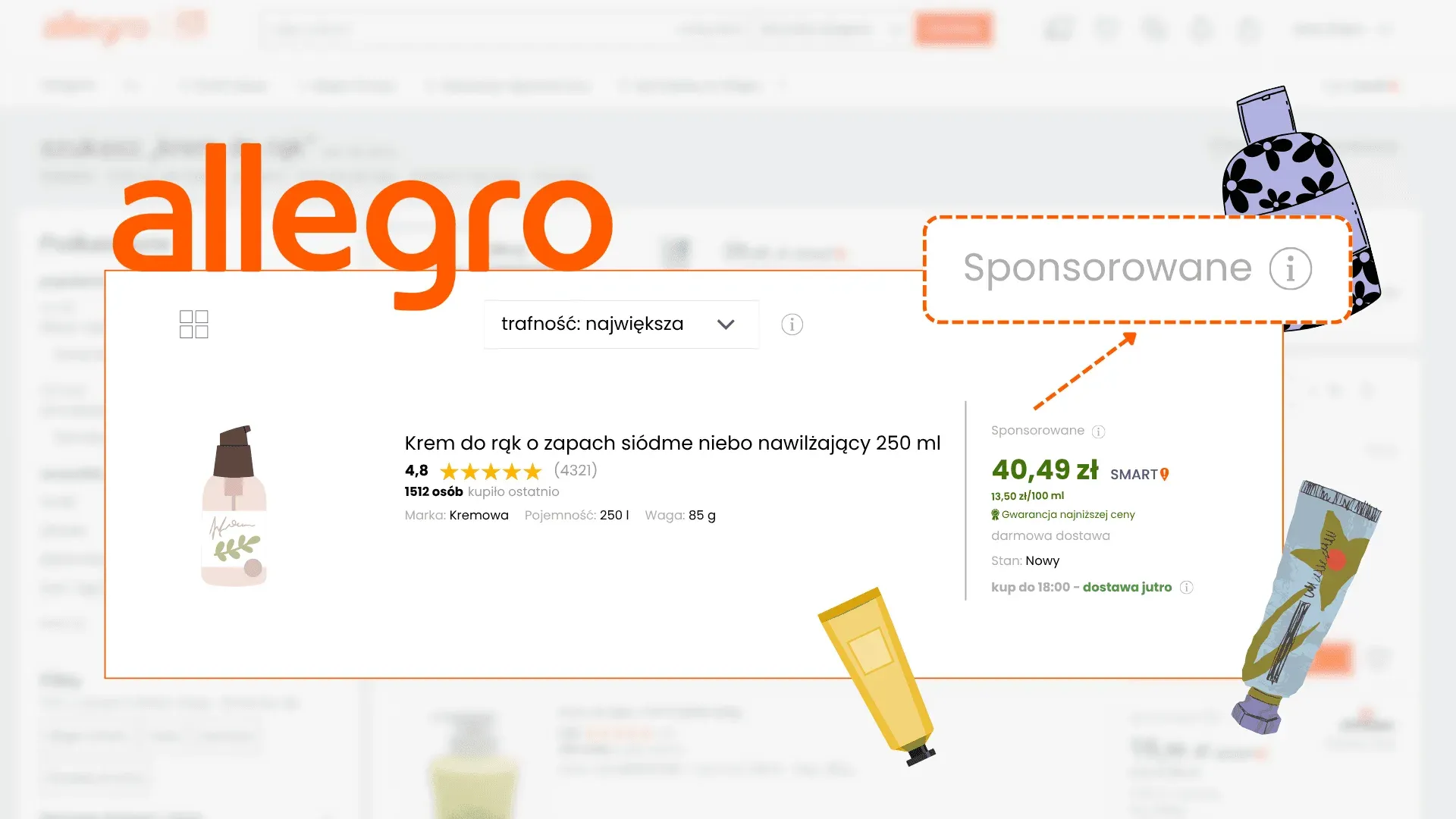
The platform generates revenue through referral fees (commission on sales), listing fees, or by offering premium add-ons, such as sponsored ads, to help sellers boost their visibility.
Advantages of selling on a marketplace
- Massive customer reach: Marketplaces are bustling hubs where millions of users search for items daily. This allows sellers to expand their reach and tap into new demographics without running expensive, standalone marketing efforts.
- Ready-made infrastructure: There is no need to invest in developing and hosting an independent site. Platforms provide robust, built-in tools for listing creation, inventory management, and secure payment processing to deliver an exceptional user experience.
- Low barriers to entry: Getting started usually only requires registering an account and uploading your product feed. The process is streamlined, making it highly accessible even for small businesses or sole traders looking for an additional sales channel.
- Built-in credibility and trust: Many consumers feel safer purchasing through established platforms that guarantee trust and security via buyer protection policies and hassle-free returns. As a seller, you instantly benefit from this established brand trust.
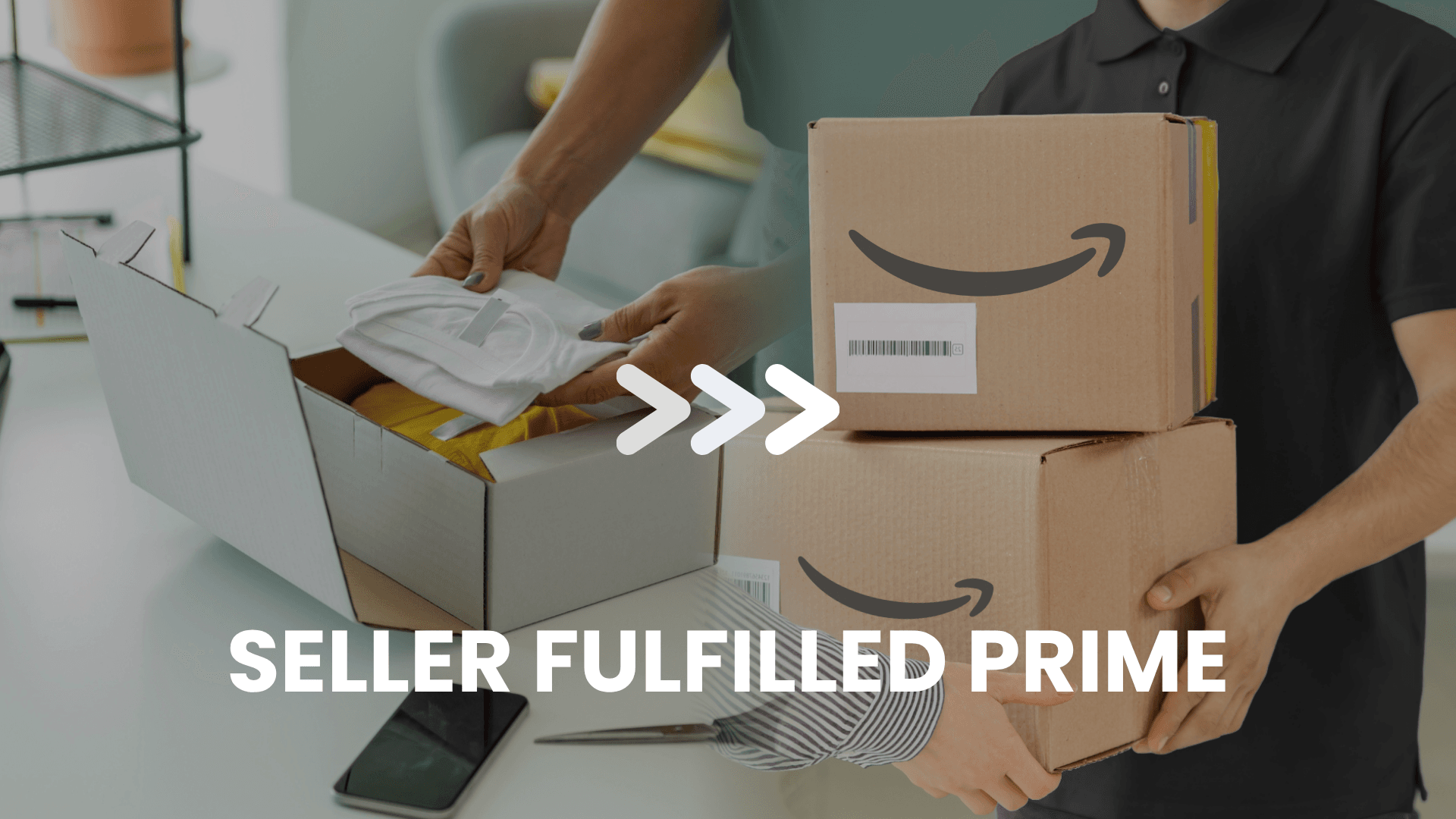
- Fulfilment and payment support: Some marketplaces offer comprehensive logistics solutions. For instance, Amazon’s FBA (Fulfilment by Amazon) handles storage, picking, packing, shipping, and even customer service, significantly lightening your operational load.
- Testing international markets: Marketplaces provide a low-risk gateway to cross-border trade, allowing you to test the waters with your products internationally before committing to heavy investments.
Disadvantages of selling on a marketplace
- High commission fees: Operating on these platforms comes at a price. Referral fees, advertising costs (PPC), and sometimes monthly subscription fees can significantly eat into your profit margins.
- Fierce competition: You are often sharing the digital shelf with numerous vendors offering similar items. Winning the Buy Box usually requires highly competitive pricing, which can further squeeze your margins.
- Lack of brand control: You have limited control over the customer experience. Branding opportunities on a standard marketplace listing are restricted, making it harder to build distinct brand awareness compared to your own direct-to-consumer (DTC) site.
- Platform dependency risk: Putting all your eggs in one basket is risky. Sudden algorithm updates, policy shifts (like fee hikes), or an unexpected drop in your Account Health leading to a suspension can drastically impact your entire business.
- Limited access to customer data: Marketplaces fiercely protect their user data. They rarely share detailed customer information with third-party sellers, making retargeting campaigns and long-term relationship building quite difficult.
- Complex algorithms and continuous optimisation: To succeed, you can’t just set and forget. Sellers must constantly optimise their product listings for SEO, manage sponsored ads, and adapt to the ever-changing rules of the platform’s search algorithm.
Different types of marketplaces: Examples
The market offers a wide variety of business models. Here are a few key examples:
- General marketplaces: Amazon, eBay – these giants offer products across virtually every conceivable category.
- Vertical marketplaces: Platforms like Etsy (for handmade and vintage crafts) or Zalando (strictly fashion and footwear) focus on a specific niche.
- B2B marketplaces: Portals such as Alibaba cater specifically to business-to-business wholesale trade.
How to start selling on a marketplace
Launching your sales operations is a relatively straightforward process, but it requires a few strategic steps.
First, you need to select the right platform. Consider where your target audience hangs out and what type of goods you sell. For instance, if you offer artisanal crafts, a niche platform like Etsy will yield better results than Amazon. Conversely, if you are eyeing pan-European or global expansion, Seller Central on Amazon might be your ideal starting point.
Next comes setting up your seller account. Each site has its own onboarding procedure, typically requiring your business details, bank account information, and tax registration numbers.
The third critical step is preparing your product listings. Your images must be high-resolution, and your copy needs to be detailed and fully optimised with relevant keywords. Pricing competitively and selecting the most accurate categories are vital for discoverability. You should also look into participating in platform-specific loyalty programmes or utilising native advertising tools to boost your visibility.
Finally, exceptional customer service and flawless logistics are non-negotiable. Dispatching orders promptly, handling returns professionally, and responding to buyer queries swiftly are the cornerstones of maintaining a stellar seller rating. By consistently monitoring your performance metrics and fine-tuning your listings, you will steadily grow your revenue. Keep a close eye on policy updates to avoid compliance issues and fully leverage new growth features.
The future of marketplaces
Marketplaces are playing an increasingly dominant role in the online retail landscape, and their future looks just as dynamic as their recent explosive growth. With ongoing digital transformation and shifting consumer habits – where online shopping is the default – these platforms are now the backbone of global e-commerce. Industry analysts project that their share of total online retail sales will continue to surge.
A major trend shaping this space is hyper-personalisation. Platforms are heavily investing in AI to better understand user behaviour and serve highly relevant product recommendations. Technologies like Virtual Reality (VR) and Augmented Reality (AR) are poised to become standard features, allowing shoppers to digitally “try on” or preview items in their space before committing to a purchase.
For sellers, the future holds an array of sophisticated tools. Advanced analytics dashboards, seamless ERP integrations, and sharper advertising algorithms will empower merchants to manage their inventory more efficiently and maximise their ROI. Marketplaces are evolving from mere sales channels into comprehensive business partners.
As technology advances and consumer expectations rise, these platforms will undoubtedly remain a central pillar of global digital trade. For both merchants and shoppers, this translates into unprecedented convenience, innovative solutions, and limitless opportunities.
Marketplace vs your own online store – which should you choose?
Choosing between a marketplace strategy and running an independent online storefront is a classic dilemma for e-commerce entrepreneurs. Platforms like Amazon or eBay offer a rapid launch and instant access to millions of active buyers. Thanks to the ready-made infrastructure, sellers can focus purely on sourcing and selling, without the headache of web development or setting up payment gateways. However, this convenience comes with strings attached: high commission fees, cutthroat competition, and a lack of customer data ownership, which severely hampers brand loyalty building.
On the flip side, your own online store gives you absolute control over your brand, the user journey, and the sales funnel. It is the perfect route for businesses determined to build a distinct brand identity and nurture direct relationships with their customers. But make no mistake – it requires a significantly higher upfront investment and the relentless challenge of driving your own traffic. While an independent store can be more lucrative in the long run, it demands time, technical know-how, and a robust marketing strategy.
More often than not, the most effective approach is a hybrid model. A marketplace can serve as an aggressive acquisition channel to drive volume and reach new demographics, whilst your own website acts as the flagship hub for brand building and customer retention. By blending both channels, you mitigate risks while maximising your overall market penetration.
Conclusion
Marketplaces represent the future of online retail, offering unparalleled growth avenues for businesses of all sizes. Investing in these channels isn’t just about a quick bump in revenue; it is a strategic play to reach a global audience. There is no better time than now to consider how a robust marketplace strategy fits into your broader business goals.
If you want to find out how to successfully launch your products on the world’s biggest platforms, or if you are looking to optimise your current operations, get in touch with us. During a free consultation, we will help you map out your next steps and accelerate your e-commerce growth. Don’t wait – take your sales to the next level today!
Did you find this article helpful?
Average rating 4.5 / 5 — 2 votes
Autor
Wojciech Piszczek
CEO & Founder
I’ve been immersed in e-commerce for more than ten years, with a core focus on helping brands scale onto international platforms like Amazon, eBay, Kaufland, and eMAG. My experience covers the entire sales lifecycle—from high-level strategy and logistics to marketing and conversion optimisation. I help businesses not only enter new markets but scale sustainably, ensuring they avoid the costly pitfalls often faced by those just starting out.