
 Polski
 Čeština
 Slovenčina
 Deutsch
 Italiano
 Español
Where and how to sell furniture online: a commercial guide for e-commerce brands and manufacturers
Looking to expand your furniture brand across Europe? In this guide, we evaluate the European e-commerce landscape to answer a vital question: where to sell furniture online for genuine profitability rather than just high turnover with squeezed margins. We analyse general marketplace giants such as Amazon, Kaufland, and eMAG alongside dedicated decor platforms including Home24, Otto, and Vente-Uni
 Wojciech PiszczekCEO & Founder
Selling furniture in the digital space operates on vastly different principles to retailing consumer electronics or fast fashion. Working alongside furniture manufacturers and brand owners across Europe, we consistently see the same scenario play out: a company produces exceptional products and holds a commanding position in its domestic market, but hesitates to take the leap into international e-commerce. When they do take the plunge, they frequently run into crippling logistics costs or struggle to gain traction on dominant platforms like Amazon.
The truth is that not every platform suits every type of inventory. What works seamlessly for compact bedside tables can become a financial drain for modular corner sofas. Success hinges on matching your product portfolio to the right sales channel.
Whether you are a scaled manufacturer, an established brand, or a growing e-commerce retailer looking to expand cross-border, this guide walks you through the European landscape – from broad digital department stores to vertical specialists – showing you where to sell furniture to ensure your expansion is profitable from month one.
Where to sell furniture online: an overview of European sales channels
Before diving into platform specificities, we need to look at the broader landscape. Retailing furniture online is a complex discipline. Unlike shipping t-shirts, where returns cost pennies and parcels fit into standard lockers, furniture e-commerce is dictated by parcel dimensions, freight logistics, and heightened customer expectations regarding delivery times and assembly.
When deciding where to sell furniture online, you have four primary avenues available. Each offers distinct customer demographics, margin structures, and operational demands.
1. General marketplaces: Amazon, Kaufland, eMAG, and Allegro
General marketplaces function as digital mega-malls. A customer might log on to order pet supplies and end up adding an armchair to their basket. Monthly visitor numbers span tens of millions, offering massive volume potential. However, they require a smart approach to fulfilment, as these platforms are not always natively optimised for oversized freight.
Amazon
If cross-border expansion is your priority, Amazon – particularly Amazon Germany (DE) – is an essential consideration. It remains the undisputed market leader across much of Western Europe.
Why it works: Amazon grants instant access to millions of active buyers across Europe, enabling rapid scaling and sales diversification.
The furniture challenge: Logistics and handling damage. Transit across international borders tests product packaging to its limit. Standard parcel couriers often mishandle bulky items, leading to high return rates and damaged Account Health metrics. Successful furniture sellers usually partner with specialised two-man handling networks or invest in custom heavy-duty packaging.
Kaufland Global Marketplace
Kaufland.de has grown into a formidable challenger to Amazon and eBay across Germany and broader European territories. It offers seller-friendly onboarding, transparent commission structures, and excellent cross-category visibility.
Why it works: Strong traffic across home goods and living categories makes it an ideal platform to diversify away from total reliance on Amazon.
The furniture challenge: While competitive pressure on listings is generally lower than on Amazon, European buyers still demand precise delivery windows and excellent customer support in local languages.
eMAG
For brands seeking markets with high growth potential and lower advertising saturation, Central and Eastern Europe (CEE) is an exceptional target. eMAG is the dominant marketplace leader in Romania, with seamless expansion routes into Hungary and Bulgaria.
Why it works: Romania and the broader CEE region represent fast-growing e-commerce markets. Selling on eMAG allows brands to capture early market share with stronger achievable margins than hyper-competitive Western markets.
The furniture challenge: Long-distance cross-border logistics. Transporting freight into CEE requires a dependable regional logistics partner, though the higher profit margins attainable in these markets frequently offset higher shipping overheads.
Allegro
Allegro is a powerhouse in Central Europe, holding a dominant position in Poland and rapidly expanding across the CEE region.
Why it works: It offers a massive, highly engaged buyer base and advanced marketplace infrastructure, making it an excellent platform for volume distribution within Central Europe.
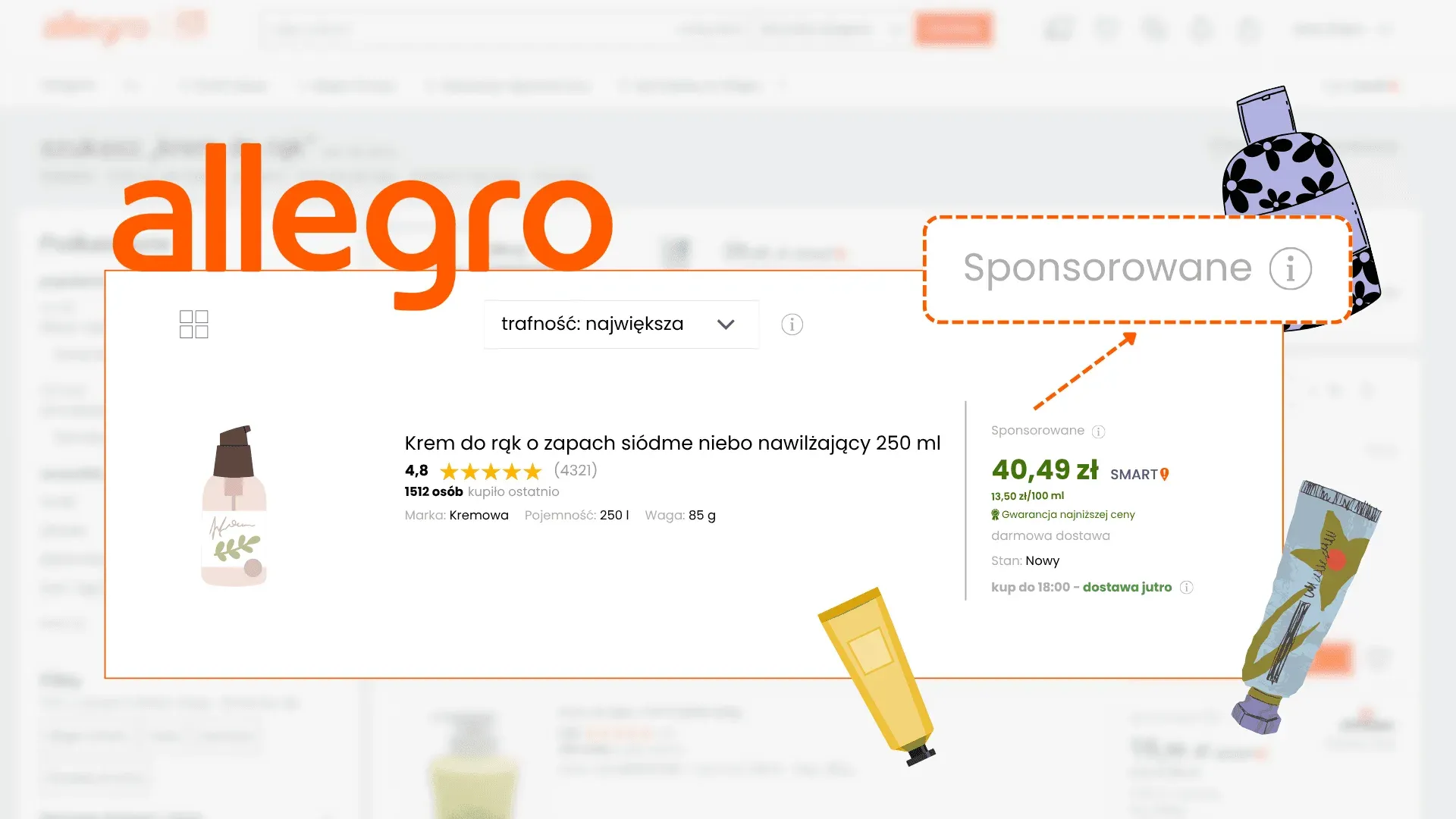
The furniture challenge: The “sort by lowest price” trap. High competition means product thumbnails can blur together. Winning on Allegro without eroding margins requires strategic brand positioning, high-converting image assets, and structured promotional campaigns.
2. Vertical marketplaces: Otto, Home24, Vente-Unique, and XXXLutz
If general marketplaces are digital shopping malls, vertical marketplaces are high-end furniture showrooms on prime commercial high streets. Visitors arrive with a clear, qualified intention: to furnish a living space. This shifts the dynamic completely – improving conversion rates for higher price points, provided your imagery and branding meet elevated standards.
Otto.de
Otto is a household name in Germany. Having transitioned successfully from legacy mail-order catalogues to e-commerce, it is one of Europe’s premier destinations for home and living products.
Why it works: Ideal for established brands aiming to build prestige. Otto’s demographic is brand-loyal, affluent, and actively seeking quality craftsmanship.
The challenge: High barrier to entry. Otto maintains strict vetting processes, requiring established EU/German tax registration structures, excellent localised customer support, and rigid logistics compliance.
Home24
Operating extensively across DACH (Germany, Austria, Switzerland) and France, Home24 is dedicated exclusively to home furnishings.
Why it works: If your portfolio aligns with Scandinavian, industrial, contemporary, or minimalist interior design, Home24 offers a highly targeted audience. Customers browse for aesthetic inspiration and are willing to accept longer lead times for the right piece.
The challenge: Visual assets must be flawless. Basic white-background packshots are insufficient; listings require full lifestyle staging and aspirational photography.
Vente-Unique
Vente-Unique is a prominent player in France and southern Europe, offering both traditional catalogue retail and curated flash sales.
Why it works: It provides a direct gateway to French consumers, who often favour expressive, decorative furniture pieces compared to more pragmatic Northern European tastes.
The challenge: Cross-border fulfilment to France requires a specialised freight network capable of handling final-mile white-glove deliveries without incurring exorbitant rates.
XXXLutz
XXXLutz holds significant market share across Austria and Germany through its extensive physical store network and digital channels.
Why it works: Excellent for cabinet furniture, upholstered seating, and bedding. Consumers associate the brand with reliability, making it a strong channel for mid-to-high price tiers.
The challenge: Integration standards are rigorous. Partners are expected to support seamless EDI connectivity, strict stock syncing, and excellent post-purchase support.
3. Direct-to-consumer (D2C): your own e-commerce store
While marketplaces provide immediate traffic, operating your own online store builds long-term brand equity and independence. In the furniture sector – where customer consideration cycles span weeks – a D2C web store serves as your digital flagship.
Full control over branding and margins
On third-party platforms, your premium sofa sits alongside thousands of competing search results. On your own site, you control the entire user journey.
- You can implement 3D room configurators, fabric sample request workflows, video assembly guides, and immersive lifestyle galleries.
- You maintain full control over pricing strategy without competing directly for buy-box ownership or price-matching algorithms.
The challenge: You must build consumer trust from scratch. High-ticket furniture purchases require strong social proof, secure payment options, clear delivery policies, and intuitive UX.
No platform commissions vs customer acquisition cost (CAC)
Skipping the 10–15% marketplace commission sounds attractive, but those savings must be reinvested into direct marketing.
The reality: on Amazon or Kaufland, the audience is already there. For your direct store, you must buy that traffic via Google Ads, Meta Ads, and SEO. Customer acquisition costs (CAC) in the furniture space can be high, making conversion rate optimisation crucial.
Building first-party data and lifetime value (LTV)
Marketplaces restrict direct access to buyer data. Your own store allows you to collect first-party data, enabling targeted email marketing, post-purchase care guides, and cross-selling campaigns (e.g., offering side tables to previous bed frame buyers).
4. B2B sales: office and commercial furnishing as a growth engine
Retail (B2C) sales can fluctuate seasonally. B2B sales act as a steady engine: slower to initiate, but providing high-volume stability once established. For furniture manufacturers, commercial channels offer significant volume potential.
Business clients buy on specifications and reliability
Unlike retail consumers who may return an item because a shade of beige looks slightly different under household lighting, commercial buyers operate on clear parameters:
- Hotels and hospitality: require bulk quantities (e.g., 50–100 bed units), certified durability standards, and strict delivery timelines.
- Corporate offices: order commercial-grade desks and ergonomic seating in bulk, prioritising VAT compliance and invoice terms.
Result: lower return rates, higher order values, and predictable production scheduling.
Key B2B revenue streams
- White-label manufacturing: producing custom lines for major retail chains or established European furniture brands. While per-unit margins may be lower, it guarantees factory utilisation and cash flow.
- Direct commercial outfitting: targeting property developers, office interior designers, and hotel chains across expanding European markets.
5. Alternative channels: social commerce and showrooms
Where else should furniture brands list their products? Wherever prospective buyers collect design inspiration and wherever they can test physical comfort.
Social commerce: Pinterest and Instagram as visual sales channels
Furniture buying is inherently visual. Social media platforms act as primary research tools for modern consumers.
- Pinterest: functions as a visual search engine. Users plan home renovations months before purchasing. Featuring your products in styled room inspiration pins captures high-intent traffic early in the buying cycle.
- Instagram and TikTok: focus on lifestyle staging. Short-form video showing texture details, modular transformations, or assembly guides helps build buyers’ confidence before they commit to a purchase.
The ROPO effect and strategic showrooms
The ROPO effect (Research Online, Purchase Offline) remains highly relevant in the furniture industry. Many customers hesitate to buy high-ticket seating or mattresses without testing them first.
Hybrid presence: you do not need a massive retail footprint. Operating a single showroom near your main distribution point, or partnering with regional display spaces in key markets, provides the physical validation buyers need to convert online.
Learn how to sell furniture: building a resilient strategy
Relying on a single sales channel leaves your business vulnerable to commission changes, policy updates, or aggressive competitor pricing. A resilient furniture brand relies on a balanced “three-legged stool” strategy:
Channel type | Platform examples | Primary objective | Key advantage |
|---|---|---|---|
1. Volume engine | Amazon, Kaufland, eMAG, Allegro | High turnover and parcel volume | Scale, customer reach, freight rate leverage |
2. Brand and margin engine | Home24, Otto, D2C web store | Margin protection and brand authority | Customer loyalty, lifestyle positioning, higher price points |
3. Commercial engine | B2B, hospitality, white-label | Operational stability and volume | High order values, low returns, production planning |
Summary
Avoid trying to launch on every platform simultaneously. Attempting to master six foreign marketplaces at once puts real strain on cash flow and internal resources. Start by identifying your primary target market, establish a robust freight and returns workflow, and scale systematically.
If you want to expand across European marketplaces without risking costly fulfilment errors or compliance pitfalls, book a free consultation with our team at Raise Your Sales. We will evaluate your product catalogue and help you map out a profitable cross-border expansion plan for your business.
Did you find this article helpful?
Average rating 5.0 / 5 — 2 votes
Autor
Wojciech Piszczek
CEO & Founder
I’ve been immersed in e-commerce for more than ten years, with a core focus on helping brands scale onto international platforms like Amazon, eBay, Kaufland, and eMAG. My experience covers the entire sales lifecycle—from high-level strategy and logistics to marketing and conversion optimisation. I help businesses not only enter new markets but scale sustainably, ensuring they avoid the costly pitfalls often faced by those just starting out.