
 Polski
 Čeština
 Slovenčina
 Deutsch
 Italiano
 Español
A guide to product compliance and certification for marketplace sellers
Whether you are launching on Amazon, eBay, or other international platforms, understanding product compliance is not just about ticking boxes – it is about safeguarding your business, protecting your reputation, and avoiding costly disruptions like account suspensions or hefty fines.
 Wojciech PiszczekCEO & Founder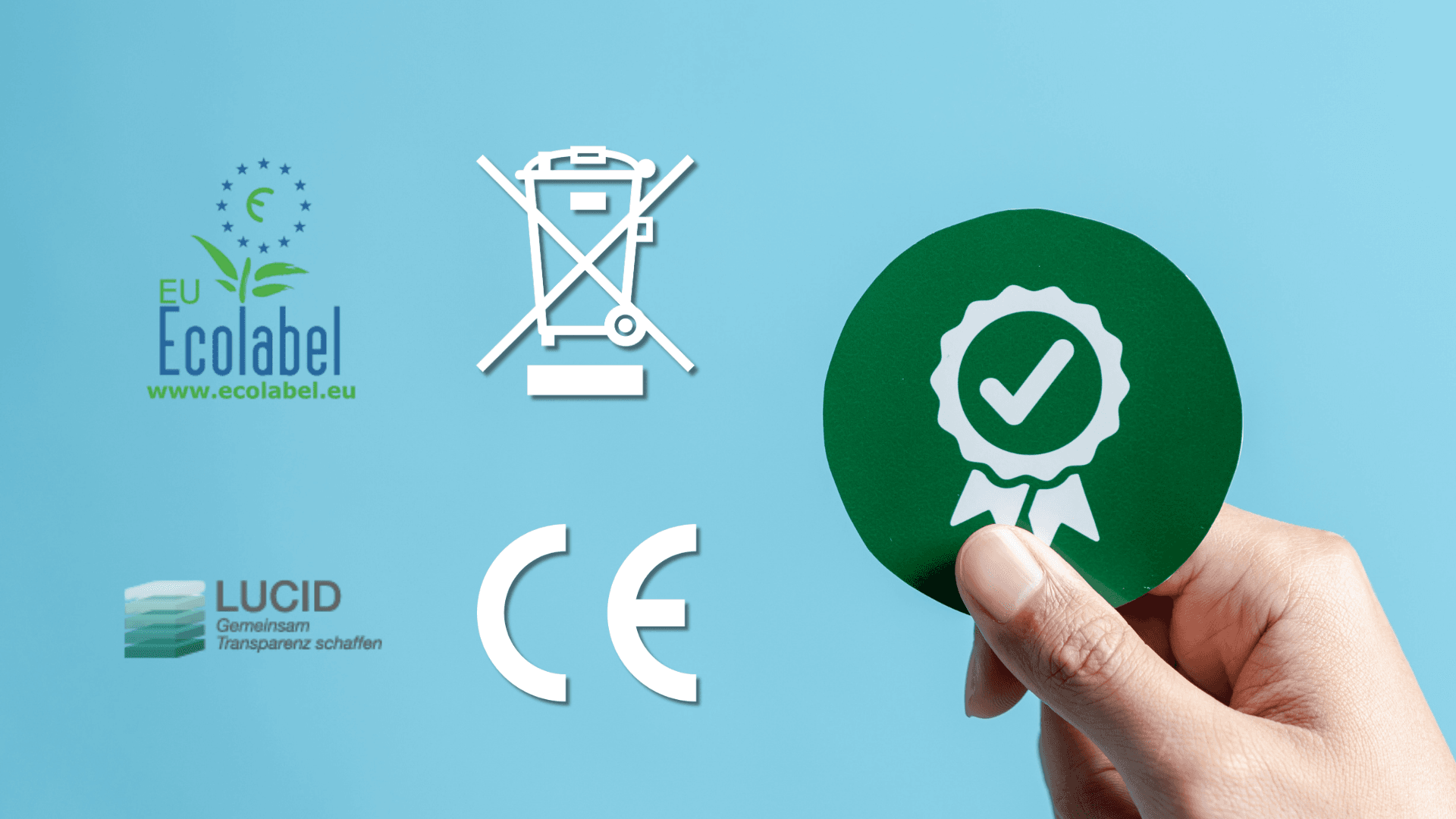
Selling on marketplaces, particularly abroad, can often feel like a minefield. I have seen this first-hand: many of our clients, before expanding their operations beyond their home market, were caught off guard by complex product compliance requirements and the associated costs.
However, embracing these regulations is a strategic move. Rather than viewing certification as a hurdle, successful sellers treat it as an essential tool that builds customer trust and secures long-term business stability.
Product compliance regulations
Depending on where you sell and what you source, you will need to satisfy several strict frameworks enforced by regulatory authorities. Here is a breakdown of the key certifications required to keep your inventory safe, legal, and compliant across major e-commerce regions.
Packaging and waste legislation (EPR)
Packaging and waste laws are becoming increasingly stringent across Europe and the globe. If you are introducing products to international markets, you must comply with local regulations. Under the Extended Producer Responsibility (EPR) framework, businesses are responsible for the end-of-life costs of the packaging they place on the market. This forms a major part of modern corporate sustainability efforts aimed at reducing waste. Familiar examples include the LUCID registry in Germany, CITEO in France, and BDO in Poland.
Key responsibilities for sellers:
- Registering with the relevant national system.
- Partnering with a licensed compliance scheme.
- Regularly reporting the volume of packaging placed on the market.
The CE marking (Conformité Européenne)
If you are selling goods within the European Union that fall into highly regulated groups – such as electronics, toys, medical devices, or machinery – they must meet strict product safety regulations and bear the CE mark. This symbol demonstrates full EU conformity, serving as your declaration that the product complies with all European health, safety, and environmental protection laws, regardless of its country of origin.
Similarly, for goods placed on the market in Great Britain, products must comply with domestic regulations and bear the UKCA mark.
Eco-certifications
Depending on your specific product category – especially if you sell food, cosmetics, or textiles – green credentials and eco-labels are becoming major trust signals for modern consumers. Integrating these into your early product development phase can set your brand apart:
- EU Ecolabel: Confirms that a product meets exceptionally high environmental standards throughout its entire life cycle.
- Organic certifications: Essential for food products (e.g., organic certification) or cosmetics (e.g., COSMOS).
WEEE compliance (Waste Electrical and Electronic Equipment)
If you sell electronic equipment within the EU, you must adhere to WEEE regulations. This framework governs the responsibility of producers and importers regarding the collection, recycling, and disposal of waste electronics. Sellers of domestic appliances, consumer electronics, batteries, and bulbs must register in local WEEE registers and provide regular reports on the volume of equipment placed on the market.
Market-specific certifications
Different regions have their own unique requirements that you need to be aware of:
- FDA (Food and Drug Administration): Mandatory for food products, cosmetics, and medical devices sold in the USA.
- RoHS (Restriction of Hazardous Substances): Applies to electronics sold within the EU, limiting the use of specific hazardous materials such as mercury or lead.
- BattG: German legislation concerning batteries and accumulators, outlining the responsibilities for manufacturers and sellers regarding market entry and recycling obligations.
Country-specific regulations
- USA: You must ensure compliance with local Sales Tax requirements, which can vary significantly from state to state.
- United Kingdom: Following Brexit, it is crucial to obtain an EORI number and ensure you understand the current customs procedures.
- Selling outside the EU: If you are importing or exporting goods between the EU and non-EU countries, you must account for customs duties and tariffs. It is highly recommended to consult with a customs broker to understand the applicable rates.
Documentation and staying compliant
Having the right certifications is only half the battle. Remember that marketplaces can request proof of compliance at any time – whether during registration or during a routine audit. It is best practice to keep all certificates, test reports, and declarations of conformity organised in one secure place. Regularly audit your supply chain to ensure your team always understands the importance of product compliance.
Final thoughts
To sum up, product compliance is far more than a legal formality; it is a fundamental pillar of a healthy, growing business. By staying ahead of regulatory requirements and maintaining proper documentation, you protect your account from suspensions and build lasting trust with your customers.
If you want your marketplace business to scale safely and efficiently, reach out for a free consultation. Together, we will get your business ready for international success.
Did you find this article helpful?
This article has no ratings yet — be the first.
Autor
Wojciech Piszczek
CEO & Founder
I’ve been immersed in e-commerce for more than ten years, with a core focus on helping brands scale onto international platforms like Amazon, eBay, Kaufland, and eMAG. My experience covers the entire sales lifecycle—from high-level strategy and logistics to marketing and conversion optimisation. I help businesses not only enter new markets but scale sustainably, ensuring they avoid the costly pitfalls often faced by those just starting out.