
 Polski
 Čeština
 Slovenčina
 Deutsch
 Italiano
 Español
The best Polish marketplaces – where to sell online in Poland?
Marketplaces are at the heart of Poland’s e-commerce boom. They allow sellers to reach a massive audience while giving consumers easy access to a huge range of products in one place. In this article, we take a look at the largest and most popular sales platforms on the Polish market, highlighting the unique features and tools that help sellers thrive. If you’re looking for the best place to launch
 Wojciech PiszczekCEO & Founder
Poland’s top marketplaces provide fantastic opportunities for everyone from start-ups to seasoned entrepreneurs. With their extensive reach, huge active user bases, and sophisticated selling tools, they provide a highly effective route to the domestic market.
Drawing on our expertise in onboarding sellers onto Polish sales platforms, we have put together a ranking of the most popular marketplaces currently driving success for manufacturers and distributors. This practical guide is designed for anyone looking to grow their digital sales strategically and unlock the full potential of the Polish scene.
What is a marketplace?
A marketplace is a digital platform where third-party vendors list their products and customers buy them. It acts as an intermediary, providing the necessary selling space and management tools, while often supporting logistics, payments, and marketing.
Marketplaces differ from traditional online stores in that they host multiple third-party vendors in one place, offering a vast array of products across various categories. This allows shoppers to easily compare listings, find the best value, and purchase items from different sellers within a single transaction.
Key features:
- Diverse range: They allow you to sell a wide variety of products across numerous categories.
- Turnkey infrastructure: They provide ready-to-use solutions for payments, shipping, and marketing.
- Massive reach: With a huge volume of active users, they significantly boost your visibility and sales potential.
Prominent examples in Poland include homegrown leaders like Allegro, Erli, and Empik, alongside global giants like Amazon and eBay, which also maintain a strong presence in the country. These sites represent a compelling alternative for sellers looking to start selling quickly without the high upfront costs of building their own bespoke store.
Polish marketplaces: ranking
Below is a ranking of the most prominent marketplaces in Poland. This list has been compiled based on our professional experience and the proven success of clients who have achieved significant growth on these sites. It serves as a curated guide to the most effective channels for manufacturers and distributors currently operating in the Polish landscape.
1. Allegro
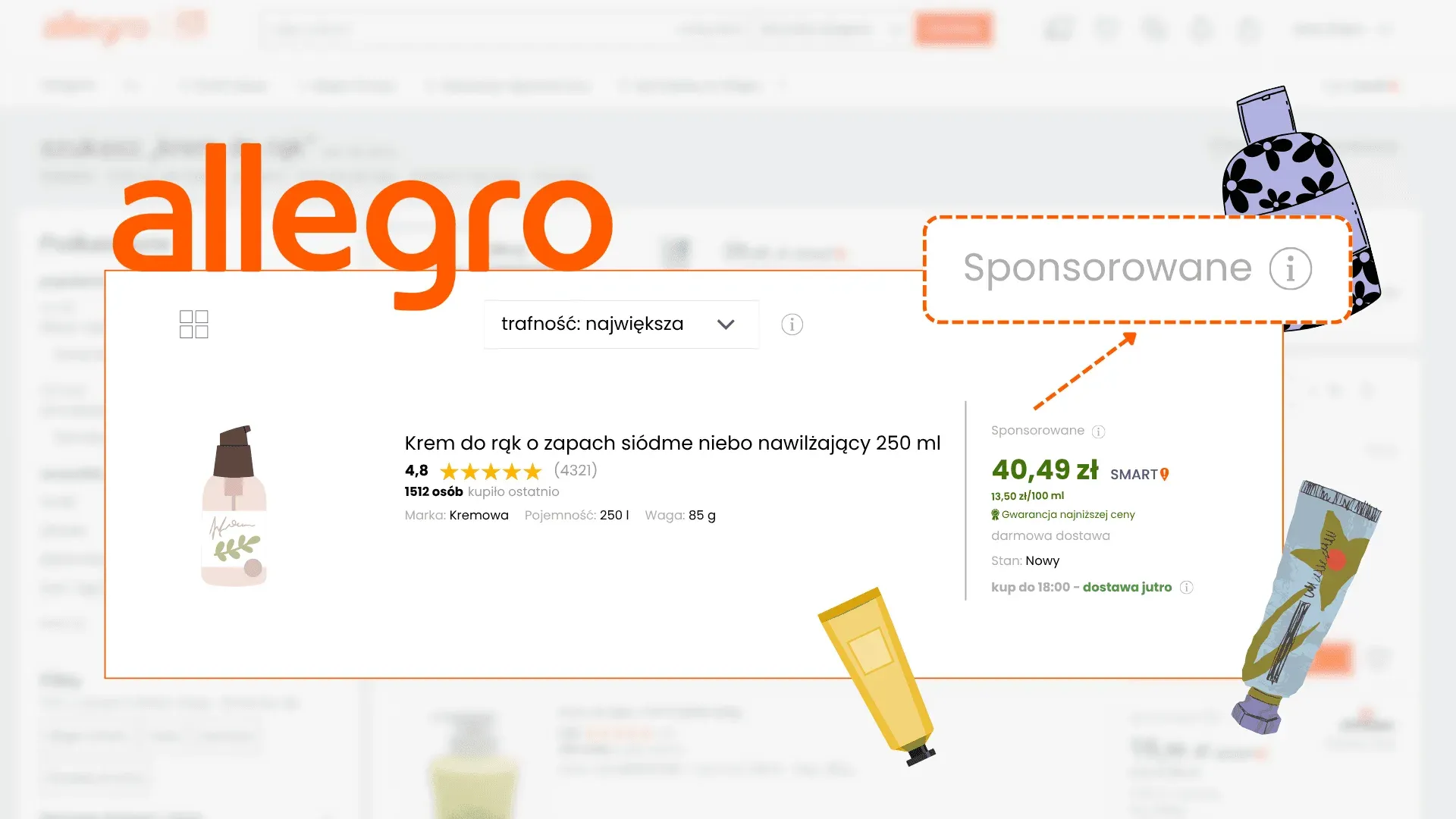
Allegro is the undisputed leader in Poland and has dominated the domestic e-commerce landscape for years. Data shows that the site attracts over 20 million users per month, making it the primary destination for both consumers and professional vendors. With a vast selection spanning everything from electronics to groceries, it is the heavy hitter of the Polish market.
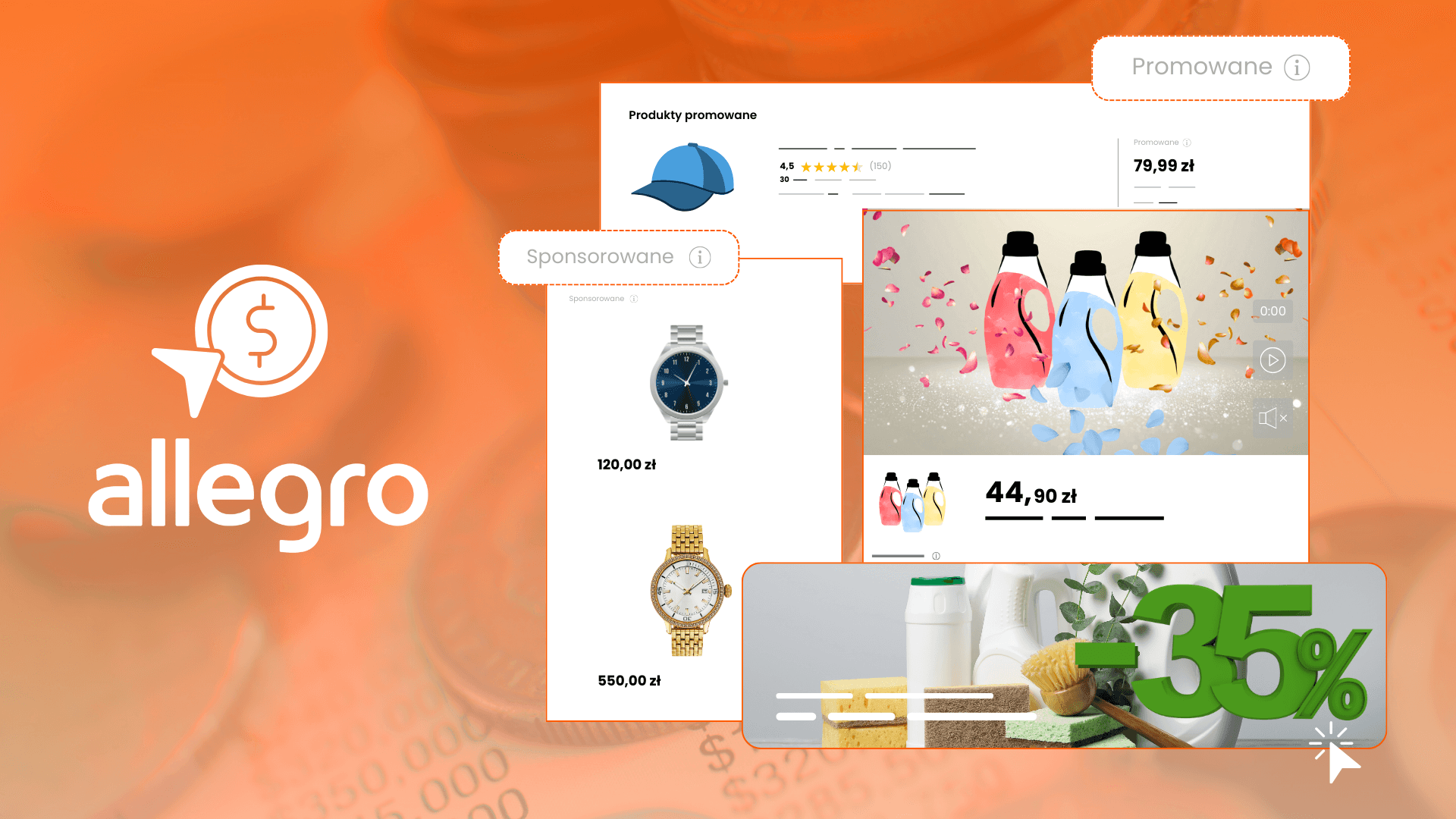
The platform is renowned for its seller support tools, such as Allegro Ads, which enable businesses to effectively promote their listings. Allegro also provides a robust logistics infrastructure, most notably Allegro Smart—a programme offering free delivery to customers, which significantly enhances the platform’s appeal and conversion rates.
Allegro sets the benchmark for digital retail in Poland. For any seller aiming to reach a nationwide audience, establishing a foothold on this platform is often the single most important factor for success.
2 Amazon.pl
Amazon.pl is the Polish storefront of Amazon’s global marketplace, which launched in March 2021. It provides customers in Poland with access to a vast selection of goods, ranging from consumer electronics and books to apparel and everyday essentials.
Amazon’s arrival in Poland was met with significant fanfare and high expectations from both consumers and vendors. Many expected a major shake-up in the e-commerce landscape, hoping for aggressive pricing, a broader product range, and the world-class service standards seen in other territories. However, the initial launch was met with mixed reviews; some were left underwhelmed by a relatively limited selection and features that fell short of Amazon’s global reputation. Since then, the company has worked steadily to expand its catalogue and tailor its strategy to local needs in an effort to meet those original expectations.
Today, Amazon is ramping up its footprint in Poland, investing heavily in marketing and brand awareness. Through targeted promotional campaigns and the consistent expansion of its inventory, the platform is steadily gaining ground, suggesting its influence on the Polish digital trade scene will only continue to grow.
3. Erli
Erli is a rapidly growing Polish marketplace that has gained significant traction in recent years. Thanks to its dynamic expansion and competitive partnership terms, it has successfully carved out a unique position on the domestic market.
One of Erli’s primary advantages is its attractive onboarding incentives for new vendors, most notably lower commission rates compared to its main rivals. This makes the site a highly cost-effective alternative for businesses seeking new avenues for growth. It caters to both small and medium-sized enterprises (SMEs) and larger corporations, offering a broad suite of promotional tools alongside professional technical support.
Erli is also known for its user-friendly interface and transparent account management rules. Its intuitive dashboard allows for streamlined order management, efficient customer service, and targeted marketing, making Erli an ideal environment for scaling an e-commerce operation.
4. Empik
Empik Marketplace is the digital arm of Empik, one of Poland’s most iconic cultural and entertainment retailers. Since launching its marketplace model, the company has vastly diversified its inventory, moving beyond its traditional focus on books and media to include electronics, fashion, beauty, and homeware.
The site connects vendors with a massive, pre-existing customer base and provides robust back-end support for sales management. For buyers, it offers a seamless fulfilment experience, including the popular “click-and-collect” option at physical Empik stores or direct home delivery. Owing to the label’s long-standing heritage and high service standards, Empik Place enjoys a high level of trust from both sellers and consumers alike.
5. Ceneo
Ceneo is one of Poland’s largest and most high-traffic price comparison websites, which also functions as a powerful marketplace. The site allows users to cross-reference offers from thousands of online stores, helping them secure the best deals and optimal purchasing conditions. Its extensive reach spans multiple categories, including electronics, home appliances, fashion, beauty, books, and groceries.
Thanks to its robust system of verified ratings and reviews, users can easily identify reliable vendors, which builds trust and streamlines the decision-making process. With its strong brand recognition, vast product selection, and user-friendly interface, Ceneo is an indispensable resource for shoppers and a highly effective way for retailers to boost visibility and acquire new customers.
6. Arena
Arena.pl is a Polish shopping site offering a diverse range of products, from home and garden to electronics, fashion, automotive, and health. The platform distinguishes itself by working exclusively with Polish companies, aiming to provide a level playing field and actively supporting local entrepreneurs. Sellers on Arena can rely on dedicated assistance from technical experts, making it easier to manage listings and maintain high standards of customer service.
Arena taps into the growing “buy local” movement in Poland, attracting consumers who prefer to support domestic businesses. For many shoppers, the knowledge that their money stays within the local economy has become a deciding factor, giving Arena a unique competitive edge in the crowded e-commerce market.
7. Morele
Morele.net is a prominent Polish platform that originally specialised in electronics and hardware but has since successfully transitioned into a full-scale marketplace. Its current inventory spans an impressive array of categories, including consumer electronics, white goods, computers, smartphones, and gaming gear, as well as home and garden furniture and baby products.
The Morele system enables third-party vendors to list their products and tap into an extensive, established customer base. Sellers have access to a comprehensive suite of sales management tools, expert technical support, and various promotional opportunities to boost their visibility.
8. Kaufland.pl
Kaufland.pl Marketplace is a relatively recent addition to the Polish retail landscape, launched by the well-established German retail giant. This sales platform provides retailers with a unique opportunity to reach a massive audience by capitalising on Kaufland’s strong brand recognition.
While the platform is still in its growth phase, its immense potential makes it a compelling choice for businesses looking to diversify their sales channels in Poland. It stands out for its streamlined onboarding process and a rigorous focus on transaction security, which further enhances its appeal to both vendors and buyers alike.
9. AliExpress + Temu
While AliExpress and Temu have captured significant market share due to their aggressive pricing and vast product ranges, they present unique hurdles for domestic sellers. Both platforms are heavily weighted towards Chinese manufacturers and direct-to-consumer suppliers, often forcing local businesses into unsustainable price wars.
A major concern for Polish companies is the “brand association” risk. These platforms are frequently perceived by consumers as outlets for budget-friendly, lower-quality goods, often synonymous with lengthy shipping times. For reputable brands, a visibility on these sites may inadvertently dilute their brand equity. Modern consumers now demand not only competitive prices but also exceptional service and rapid fulfilment—standards that are not always guaranteed on these platforms. Consequently, established businesses risk having their prestige undermined by being listed alongside lower-tier offerings.
10. Decathlon Marketplace
Decathlon Marketplace is the proprietary sales platform of the global sporting goods giant. It enables external vendors to list their products on Decathlon’s official website, providing direct access to a highly targeted audience of sports, outdoor, and fitness enthusiasts.
The platform covers a comprehensive range of categories, from apparel and footwear to specialist equipment and sports nutrition. By leveraging Decathlon’s immense authority, the marketplace connects retailers with a loyal customer base that has very specific needs. Decathlon stands out for its premium technical support and high service standards, which streamline the selling process. For businesses within the sports industry, this platform offers an ideal niche environment to increase reach and build visibility among an active, dedicated demographic.
Why enter the Polish online space? A strategic gateway for global companies
For international companies looking to expand their footprint, Poland represents one of the most compelling e-commerce opportunities in Europe. Often overshadowed by the UK or German markets, the Polish digital economy has quietly become a powerhouse, consistently outstripping Western European averages in year-on-year growth. Entering Poland is no longer just a “local” move; it is a strategic entry point into the broader Central and Eastern European (CEE) region.
The Polish consumer is exceptionally tech-savvy and has one of the highest rates of m-commerce adoption in the world. Furthermore, Poland boasts a world-class logistics infrastructure—pioneered by the ubiquitous 24/7 parcel locker systems—which has set a new global standard for delivery convenience. For a foreign entity, the barrier to entry is lower than one might expect. By leveraging established marketplaces like Allegro or Empik, international sellers can bypass the need for a localised physical presence while benefiting from the immense trust these platforms already command. In short, Poland offers a rare combination: a mature, high-volume consumer market paired with the rapid growth potential typically seen in emerging economies.
Why multi-market diversification is the catalyst for success
Diversifying across multiple marketplaces is no longer just an option; it is a fundamental strategy for safeguarding your business and scaling internationally. Moving beyond a single platform or territory allows sellers to mitigate risk and capitalise on global demand. Here is why a multi-market approach is essential:
- Risk mitigation and hedging: Relying on a single sales platform or a single national economy is high-risk. Changes in local regulations, algorithm shifts, or economic downturns in one country can cripple a business overnight. By spreading your presence across different markets (e.g. combining Allegro in Poland with Amazon in Germany), you ensure that your revenue stream remains stable, regardless of local volatility.
- Accessing global demographics: Every marketplace has its own unique “shopper profile”. While Allegro is the go-to for the Polish consumer, platforms like Amazon or eBay attract different demographics with varying purchasing power and expectations. Diversification allows you to tailor your offering to meet these market-specific nuances.
- Cross-border market testing: Selling internationally provides a low-risk environment to test product-market fit. A product that faces heavy competition in one territory may find a highly profitable niche in another. Multi-channel selling allows you to identify these “sweet spots” and optimise your inventory for maximum ROI.
- Future-proofing your brand: The digital landscape is in constant flux. Diversification builds long-term resilience, allowing your company to adapt to new consumer behaviours and emerging technologies. It transforms your business from a local seller into a flexible, international player.
In summary, diversifying your sales platforms is about more than just increasing volume—it is about building a robust, agile business that is equipped to thrive in the competitive global arena.
How to choose the right marketplace in Poland?
Selecting a marketplace is a critical decision that influences your operational costs, sales efficiency, and customer experience. To find the best fit for your business, consider these essential criteria:
- Audience alignment: Focus on where your target customers actually shop. Each sales platform attracts a specific demographic; choose the one that best reflects your store’s profile.
- Fees and margins: Compare listing fees, transaction commissions, and additional costs for advertising or logistics. Your chosen platform must allow you to remain competitive while maintaining healthy profit margins.
- Reach and traffic: Evaluate the volume of active users and the platform’s overall visibility within your specific product category.
- Features and integrations: Ensure the platform provides robust tools for marketing and analytics, as well as seamless integration with your existing ERP or logistics software.
- Rules and compliance: Review the platform’s return policies, seller regulations, and product restrictions to ensure they are fully compatible with your business model.
- Scalability: Consider the long-term potential. Does the marketplace support international expansion and provide the innovations needed to scale your business as it grows?
Summary
Choosing the right marketplace is the most critical step for any company eyeing the Polish market. As one of the fastest-growing e-commerce economies in Europe, Poland offers immense potential through a diverse landscape of platforms—from the dominance of Allegro to specialised leaders like Morele or Empik. Success here depends on a diversified strategy that leverages these established audiences to build business resilience and scale across Central Europe.
Thinking about expanding into Poland but unsure which platform to choose? Let us handle the heavy lifting. As specialists in the Polish digital landscape, we act as your local partner to remove the guesswork. From setting up your first listing to optimising for local search habits, we provide the expertise you need to turn a new market into your most profitable one.
Did you find this article helpful?
Average rating 5.0 / 5 — 2 votes
Autor
Wojciech Piszczek
CEO & Founder
I’ve been immersed in e-commerce for more than ten years, with a core focus on helping brands scale onto international platforms like Amazon, eBay, Kaufland, and eMAG. My experience covers the entire sales lifecycle—from high-level strategy and logistics to marketing and conversion optimisation. I help businesses not only enter new markets but scale sustainably, ensuring they avoid the costly pitfalls often faced by those just starting out.